
How Demolition Contractors Prepare a Home for Safe Building Removal
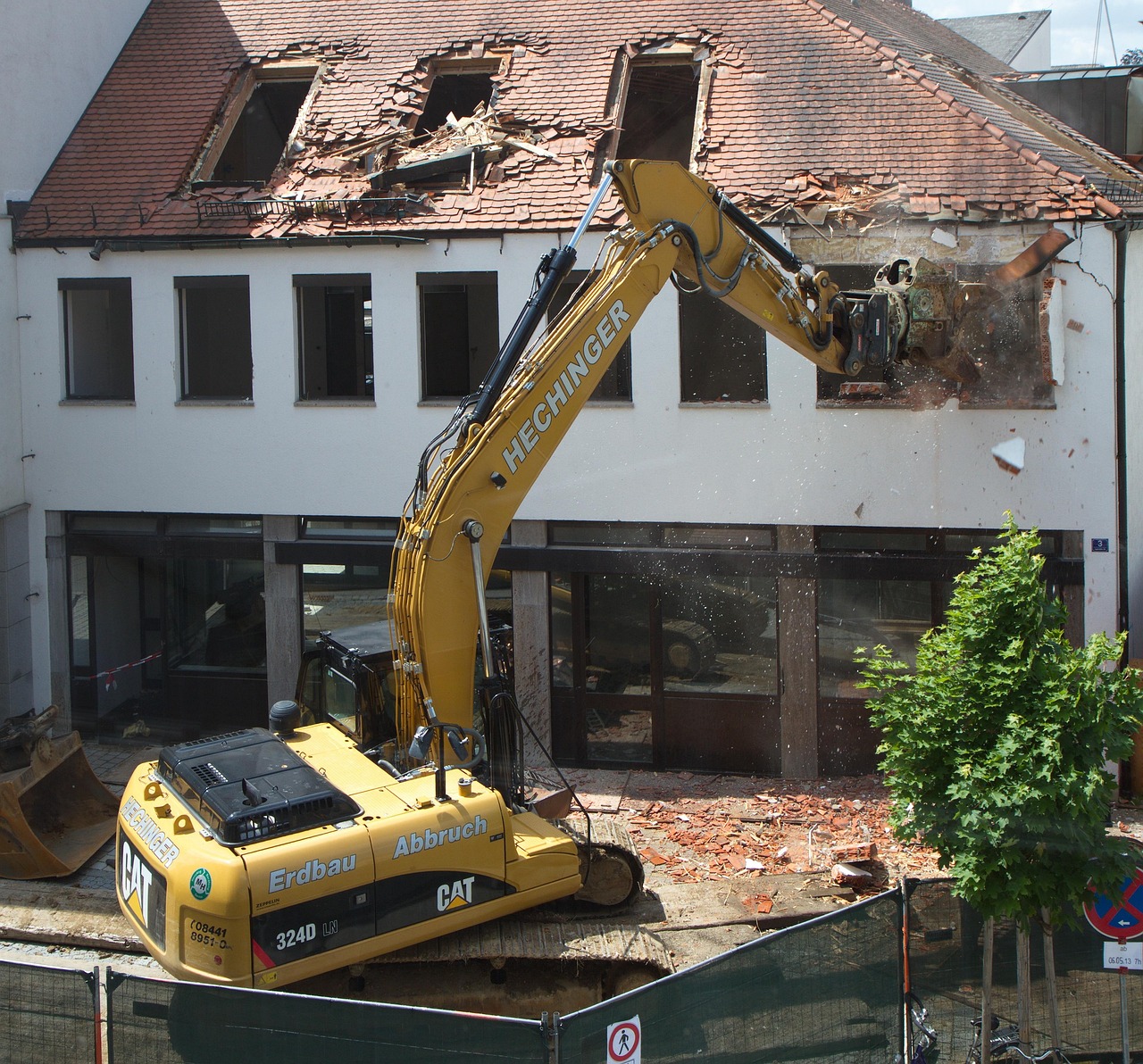
When it comes to transforming a property, demolition contractors play a crucial role in preparing homes for safe building removal. It’s not just about tearing down walls; it’s an intricate process that requires meticulous planning and extensive safety measures. Whether seeking to renovate or clear the way for new construction, understanding how demolition contractors approach this task can shed light on the careful considerations involved. Join us as we delve into the essential steps these experts take to ensure that every demolition project is executed smoothly and safely.
Site Evaluation and Planning
 Before any demolition begins, a comprehensive site evaluation is essential. Contractors assess the property’s condition and identify potential hazards. This includes checking for structural integrity, hazardous materials like asbestos or lead paint, and existing utilities. Next comes detailed planning. Professionals create a strategic demolition plan tailored to the home and surrounding area.
They consider local regulations, zoning laws, and environmental impact assessments to ensure compliance. Communication with homeowners is vital during this phase. Demolition contractors discuss timelines, methods of removal, and expected outcomes. This transparency helps set realistic expectations and fosters trust between clients and contractors. Securing necessary permits is crucial before any action can take place. Each step in this preparation stage lays the groundwork for a safe and efficient demolition process that prioritizes safety and community well-being.
Safety Precautions During the Demolition Process
Safety is paramount during the demolition process. Contractors take extensive measures to safeguard everyone involved. Before work begins, all workers must wear appropriate personal protective equipment (PPE). This includes hard hats, goggles, gloves, and steel-toed boots. Each piece plays a crucial role in preventing injuries from falling debris or sharp objects. Site barriers are also essential. Erecting fences keeps unauthorized individuals out of the hazardous area. Clear signage alerts passersby about ongoing work.
Proper equipment handling cannot be overstated. Operators undergo rigorous training on machinery used to minimize accidents. Regular maintenance checks ensure that tools function correctly. Dust control is another critical aspect of safety management. Water sprays can suppress dust clouds that may pose respiratory risks to workers nearby. Emergency protocols must be established before starting any job. Knowing what steps to take in case of an accident can save lives and reduce chaos when it matters most.
Post-Demolition Cleanup and Restoration
 Once the home demolition is complete, the real work begins. Cleanup is essential to ensure that the site is safe and ready for future construction. Demolition debris can be hazardous. Contractors meticulously sort through materials, separating recyclable items from waste. This eco-friendly approach minimizes landfill contribution and promotes sustainability.
Heavy machinery often clears large pieces of rubble quickly. However, finer details require careful attention. Smaller remnants are removed by hand to prevent damage to surrounding areas. After clearing the site, restoration steps begin. Soil erosion control measures are implemented to maintain stability in the area during subsequent projects. In many cases, landscaping may also be restored or redesigned based on new plans for development.
Conclusion
Demolishing a home is a …

 When it comes to furniture, durability is key. Pets can be rough on furniture, whether it’s from scratching, shedding, or the occasional accident. Choose pieces made of durable, easy-to-clean materials like microfiber or leather. These materials not only look stylish but also stand up to wear and tear. Consider slipcovers or washable cushions that you can toss in the laundry to keep everything fresh.

 Moving is not something you want to leave until the last minute. As soon as you have a moving date, start planning your strategy. Create a checklist of things that need to be done and assign deadlines. This way, you can work through tasks bit by bit instead of dealing with many things right before moving.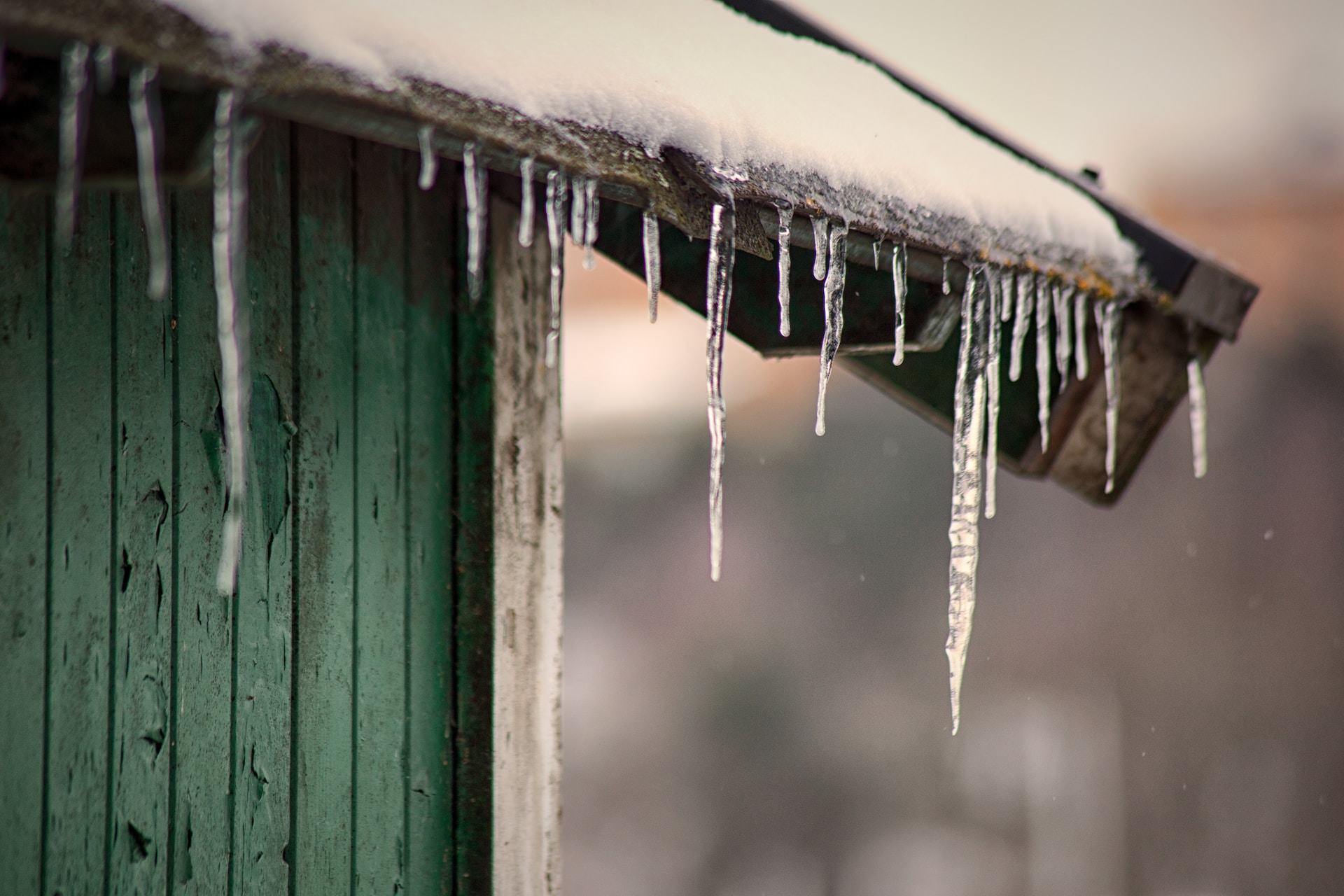
 Proper insulation is the first line of defense against the snow load on your roof. Without proper insulation, heat from inside your home can escape through the attic and warm up the roof surface. This leads to uneven melting of snow, which can result in ice dams and excessive weight buildup.
 Branches hanging over your roof may seem harmless, but they can pose a serious risk during the winter months. As snow accumulates on these branches, their weight increases significantly, putting strain on your roof and increasing the likelihood of damage or even collapse.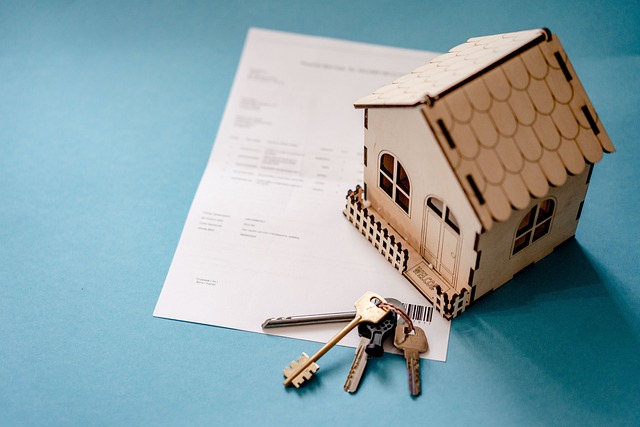


 The biggest mistake when considering a mortgage is not considering all aspects of the process. Many people overlook the additional costs associated with a mortgage, such as closing costs, legal fees, and how the type of mortgage will affect taxes, insurance, and protection.
 You may know that you need home insurance to protect your home, but you may not know that other insurances are available. Mortgage insurance can help you if you lose your job, can’t pay your monthly payments, or find yourself in financial difficulty. It is a fundamental fact, but you would be surprised how many people forget this when planning a mortgage. Get

 Most homeowners waste a lot of light. The main room should be placed as close to the windows as possible to avoid natural light. Well-positioned windows help both light and visibility. Even large and modest windows can have a strong impact. If you sit at a dining room table looking out of a high window on the wall and have an uninterrupted line of sight to a bright blue sky, you are unlikely to feel like you are in a basement.