
Smart Home Technology: A Path to Sustainable Living
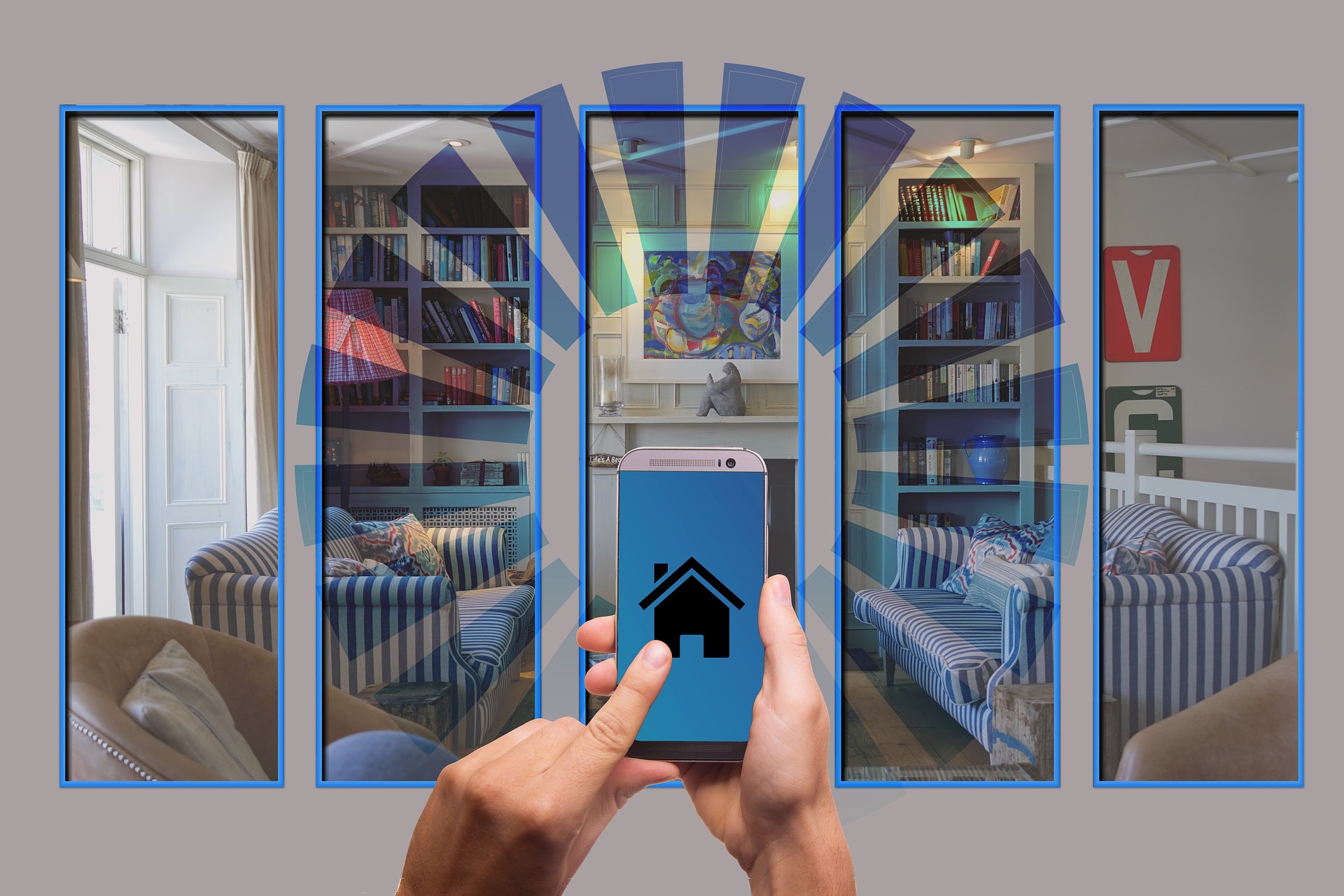
Living greener has never been easier thanks to technology’s helping hand. Insights shared on https://www.aachener-zeitung.de/leben/bauen-wohnen/biophiles-design-haus-architektur-von-der-natur-inspiriert/17085222.html show how eco-friendly design blends naturally with smart systems. People are starting to see their homes as more than four walls—they are now tools for reducing waste and saving money.
Energy Management With Smart Devices
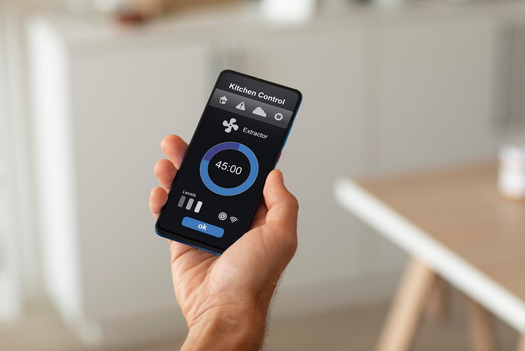 Energy efficiency is at the center of sustainable living, and smart devices make it practical. Smart thermostats adjust heating and cooling based on real-time use, trimming waste that often goes unnoticed. The result is lower bills without sacrificing comfort. A household that embraces these devices feels the difference almost immediately. Connected lighting systems add another layer of efficiency. LED bulbs paired with motion sensors mean lights switch off when no one’s around. It feels like having an invisible helper keeping tabs on wasted energy. Over time, these small changes stack up into major financial savings.
Water Conservation Through Technology
Water is precious, and technology makes it easier to protect it. Smart irrigation systems use sensors to detect soil moisture and adjust watering schedules. This prevents the all-too-common problem of sprinklers running during a rainstorm. Gardeners quickly realize they’re saving both water and money. Inside the home, water-saving faucets and showerheads now come with integrated monitors. These devices show real-time usage, making waste visible and encouraging better habits. A family can even track their consumption and turn it into a friendly competition. The data doesn’t just raise awareness—it inspires lasting change.
Improving Indoor Air Quality

Good air quality is often overlooked, yet it affects daily life. Smart air purifiers and ventilation systems respond instantly to pollutants, allergens, or changes in humidity. They create a cleaner indoor environment with little effort from the homeowner. Breathing easier makes every room feel more livable. Even small gadgets, such as sensors that detect carbon dioxide buildup, play a role. These devices give alerts when a room needs fresh air. Think of them as modern-day canaries in the coal mine, except they’re designed to protect your family. Investing in these tools is an act of care for both present and future well-being.
Reducing Household Waste
Smart appliances are doing their part to cut waste at home. Refrigerators now have built-in sensors that monitor expiration dates and send reminders. No more tossing out forgotten food hiding at the back of a shelf. These features make kitchens run like well-oiled machines. Waste management apps also guide homeowners on recycling and composting. Some even sync with municipal collection schedules, helping households stay organized. Small digital nudges add up to major lifestyle changes. The result is a cleaner home and a lighter footprint on the planet.
Integrating Renewable Energy
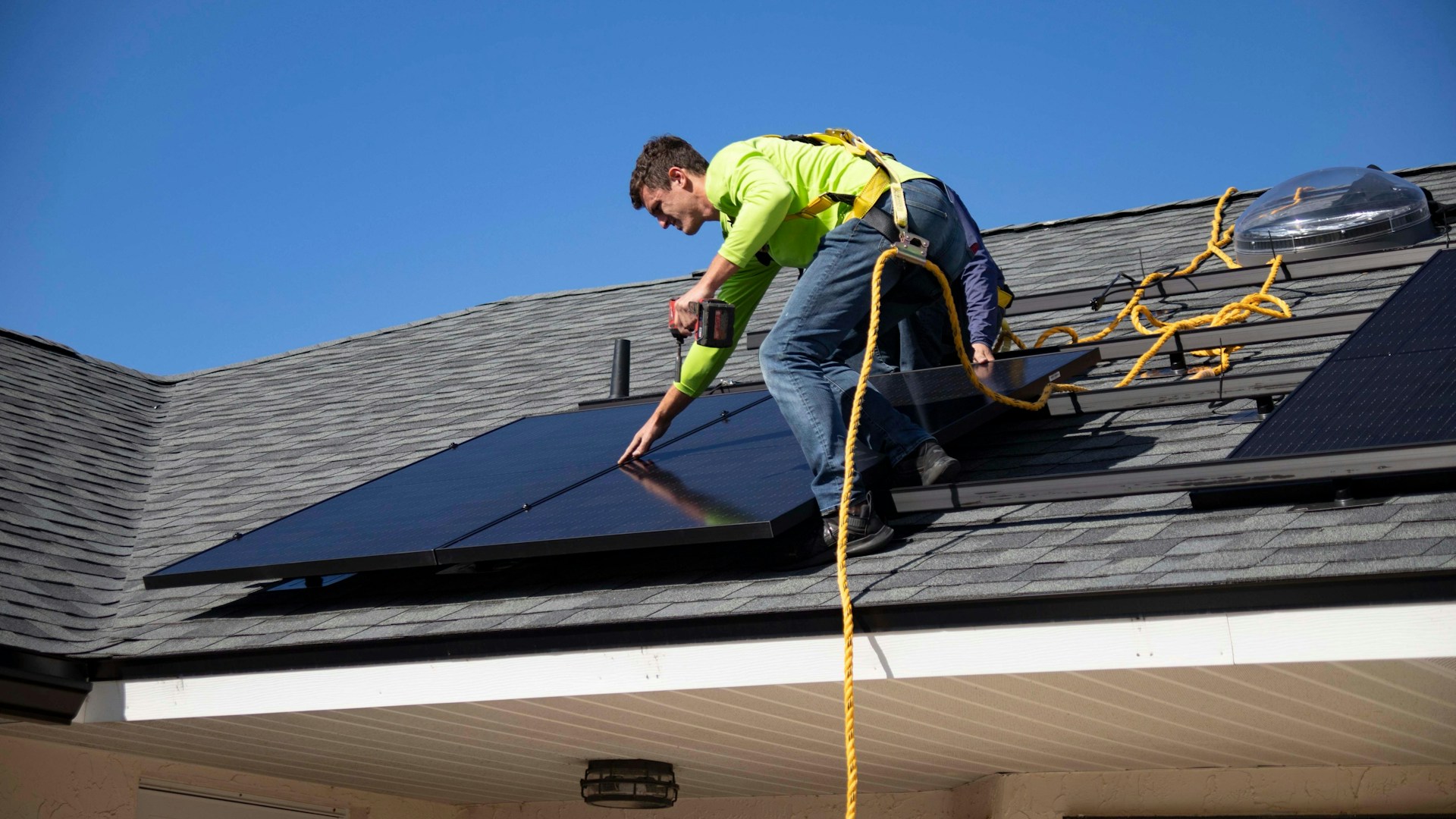
Solar energy becomes far more effective when paired with smart controls. Homeowners can track production in real time, store excess energy, and even sell it back to the grid. It makes renewable energy feel less like a luxury and more like a practical choice. The system practically pays for itself over time. Battery storage systems also work hand-in-hand with smart panels. They keep electricity available during outages while optimizing use throughout the day. Together, these technologies shift homes closer to true energy independence. The future of power is not just clean but also reliable.
Smart home technology isn’t just about convenience; it’s about building a sustainable lifestyle step by step. From saving energy to conserving water and improving air quality, each tool pushes us closer to a healthier planet. By weaving these innovations into our daily routines, homes transform into active partners in environmental responsibility.