
The Dining Room Lighting Missteps You Didn’t Know You Were Making
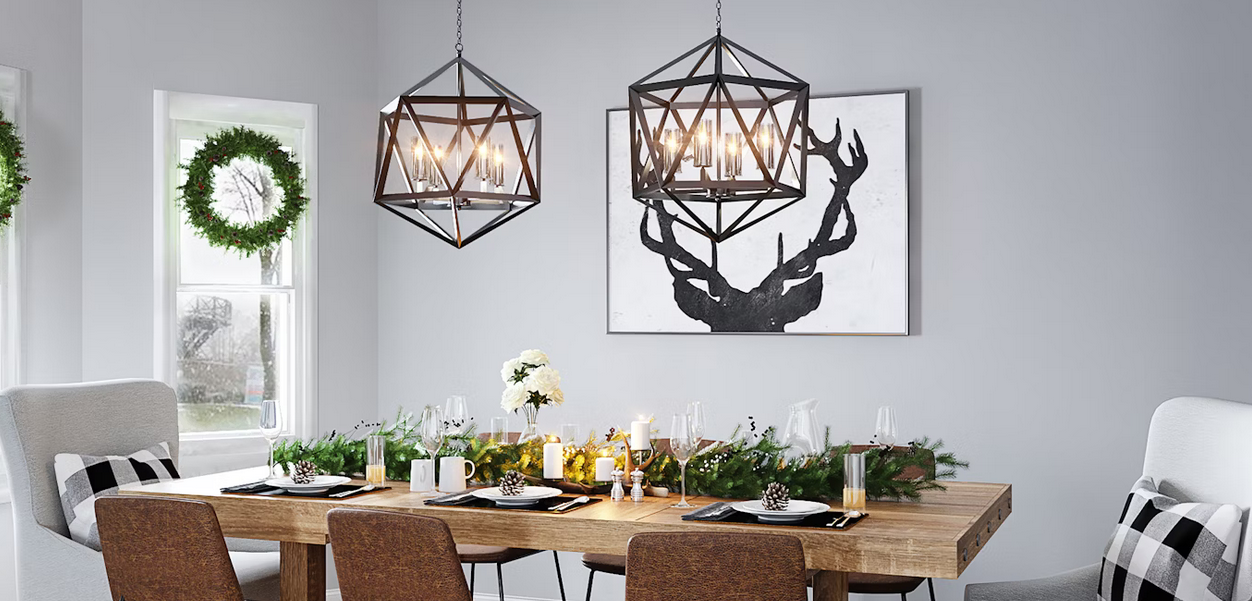
A beautifully set dining table loses its charm if the lighting above it feels harsh, dim, or out of sync with the rest of your space. Many homeowners put time into selecting furniture and décor, but underestimate the role lighting plays in creating a mood. From family dinners to celebrations, the ambiance begins with the right light. It’s an overlooked design feature that can either warm the space or make it feel uninviting. And although these tableware trends are surprisingly fun, your lighting choices are still significant as they can either highlight or hide the effort. Let’s shed light on common lighting mistakes that could be dulling your dining room’s potential—and how to fix them without calling in a renovation team.
Choosing the Wrong Color Temperature
One of the most frequent blunders is using bulbs that are too bright and cold-toned. While daylight bulbs are fantastic for workspaces, they often make a dining room feel sterile. Overhead lighting in this temperature can wash out skin tones and make food appear less appetizing. On the flip side, bulbs that are too warm may cast an orange hue, especially against neutral walls. The sweet spot is somewhere in the soft white to warm white range—about 2700K to 3000K. This creates a cozy, flattering atmosphere that encourages guests to linger at the table. If you’re not ready to swap out your entire fixture, start with changing the bulbs and notice the transformation.
Relying on One Light Source
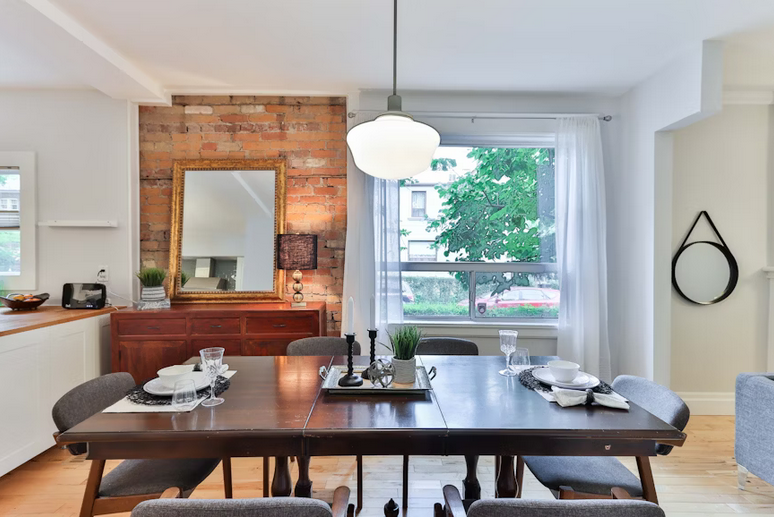
Another pitfall is depending solely on a central ceiling fixture. While chandeliers and pendants can be eye-catching, they’re rarely enough by themselves. A single light source often creates shadows, especially if your dining table is large or long. A layered lighting strategy is more effective. Think wall sconces, buffet lamps, or even dimmable LED strips under cabinetry or shelving. These small additions bring depth and warmth to the room, creating flexibility depending on the time of day or event.
Improper Fixture Size or Placement
Placement and size can make or ruin your dining room light. A fixture that’s too small disappears into the ceiling; one that’s too big dominates the room. And if it’s hung too high or low, it throws off the visual balance. The general guideline is this: the diameter of your light fixture should be about one-half to two-thirds the width of your table. It should also hang 30 to 36 inches above the tabletop. These proportions maintain both functionality and aesthetics, allowing for sufficient light coverage without obstructing sightlines.
Forgetting Dimmers
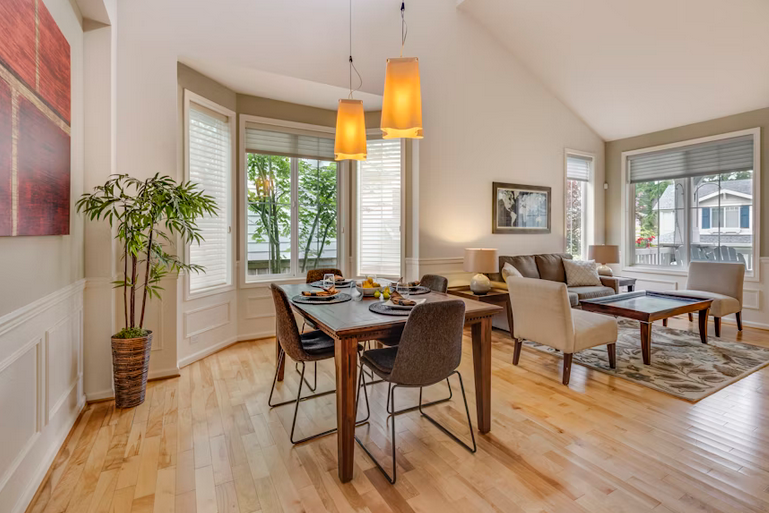
Overlooking dimmer switches is like skipping seasoning on a good meal—it’s a missed opportunity. A dimmer helps you adjust the mood instantly, transitioning from bright meals to cozy conversations with the slide of a button. Installing a dimmer is usually straightforward and affordable, especially with modern smart options available. Once you have one, you’ll never want to go back to full-power-only lighting again.
Ignoring Light Direction and Reflection
Finally, many people don’t consider how light bounces within the room. Glossy …
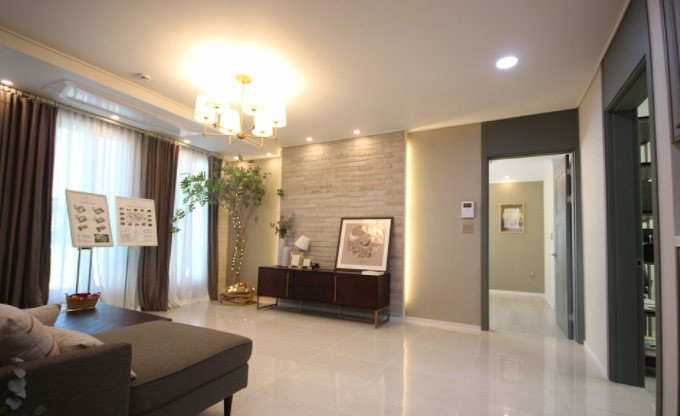
 You need to know that the quality of their workmanship will be a deciding factor when it comes time for you to choose a home lighting company. Different companies have different standards, so you’ll want to ensure that the company you choose has a good reputation for quality work.
 It is also essential to consider when the company was established. A new business may not have much experience or industry knowledge that can be trusted. In contrast, a more mature company should know what to expect and how to handle any situation in their line of work.